

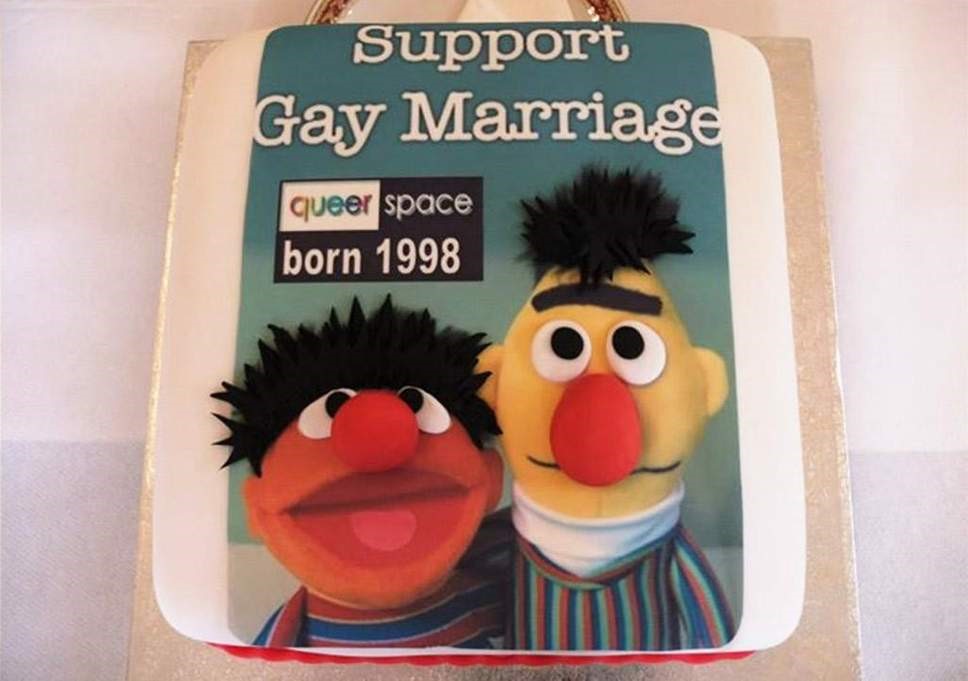
Yesterday, the Supreme Court have issued their ruling in what has been dubbed the ‘gay cake’ case by finding that the refusal to supply a cake ice with the message “support gay marriage” was not discriminatory on the grounds of sexual orientation as the refusal was based on the message to be iced on the cake, rather than the person placing the order.
The dispute began in Northern Ireland in 2014 when Christian-run baker, Ashers Baking Company, refused a customer’s request to make a cake with a slogan supporting same-sex marriage on the basis that it was ‘contradict their religious beliefs.’
The main issues in dispute between the parties was whether the customer, Mr Lee, had been unlawfully discriminated against on the grounds of sexual orientation and religious belief or political opinion due to Ashers refusal to supply the cake. The court was required also to consider whether, if Mr Lee had been discriminated against, the rights of the bakery or its managers, Mr and Mrs McArthur, had been infringed upon under articles 9 (rights to freedom of thought, conscience and religion) and article 10 (freedom of expression) of the European Convention on Human Rights and also to consider what difference an infringement upon those rights would make.
The case was initially heard in county courts in Northern Ireland where the judge held that there had been direct discrimination both on the grounds of sexual orientation and religious belief or political opinion. It was also held that it was not necessary to read down legislation in order to make this compatible with the rights of Ashers or the managers. The managers of the bakery appealed this decision to the Northern Ireland Court of Appeal who upheld the decision of the lower courts and dismissed the appeal.
Ashers and the bakery managers thereafter sought leave to appeal the Court of Appeal decision to the Supreme Court. The Supreme Court decision focused on the discrimination case as well as jurisdictional issues, raised by the Attorney General for Northern Ireland.
The decision of the Supreme Court was unanimous. It was held that there had been no discrimination on the grounds of sexual orientation on the basis that it was accepted by the court that Ashers would have refused to supply a cake displaying the same message to any personal making this order, irrespective of whether they were homosexual or heterosexual. Succulently put, it was stated by Lady Hale “...the objection was to the message and not to any particular person or persons.”
While the actions of the managers of Asher Bakery Company, in refusing the order, can be described as nothing short of deplorable, their refuse to decorate the cake in the manner requested was not unlawful and did not amount to discrimination. This case would have likely had a different outcome if the refusal to provide the cake arose on the basis of Mr Lee being a gay man, similar to a prior Supreme Court decision whereby it was held that a gay couple had been discriminated against after a B&B owner refused to allow them to share a double room due to the owners own religious beliefs.
The concern following the latest judgement is that other business may, unlawfully, refuse to provide services and seek to rely upon this case as justification for doing so. The purpose of the judgement is not to enable discrimination but rather to ensure the correct application of law. The case now means that it is likely there will be further legal challenges following refusal of services, each of which will have to be considered on its own merits. While the baking of a cake may appear trivial to some, cases like this require a careful balance be applied to the protection of freedom of expression and the right not to be discriminated against, both fundamental human rights, and it explored interesting legal issues.
Blog by Eilish Lindsay, Solicitor


